Custom pet food and treat packaging.
Compare UPG's current pouch and rollstock formats around the contents, target fill, closure, filling process, artwork, quantity, intended market, and delivery destination.
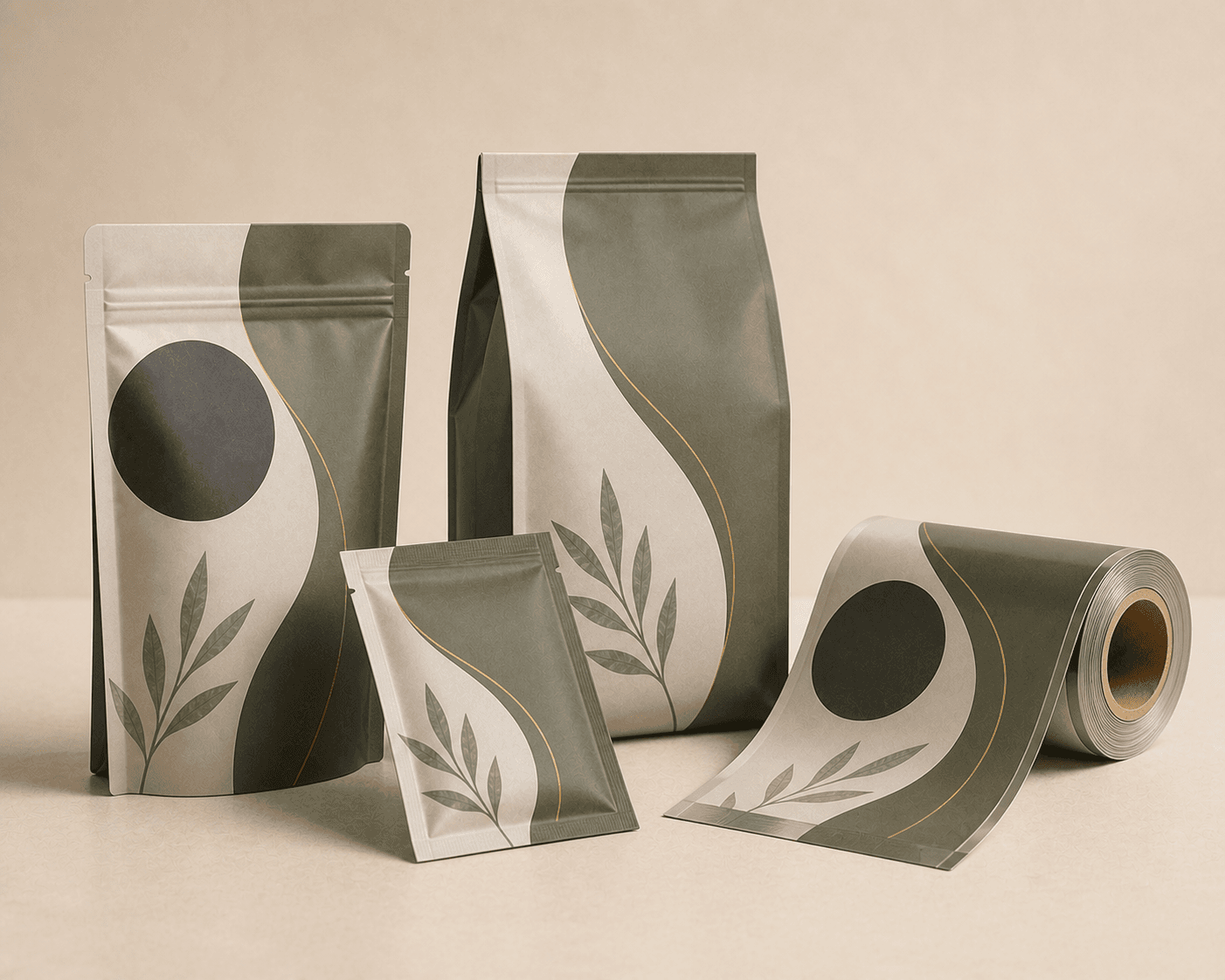
Start with the real product and project brief.
UPG can develop custom printed Mylar bags for pet food and treat projects in its current stand-up, flat-bottom, three-side seal, and rollstock formats. The contents, fill, closure, film brief, process, artwork, quantity, intended market, and destination must be reviewed before the final specification is approved.
Compare approved styles for pet food & treat packaging.
Explore mylar bags styles for your product. Compare the opening, shape, and presentation, then choose the structure with our team based on your project requirements.
Mylar bag formatStand-Up Pouches
Compare stand-up pouches with flat-bottom bags when shelf presentation and the final filled shape are still being evaluated.Review format and quote inputs →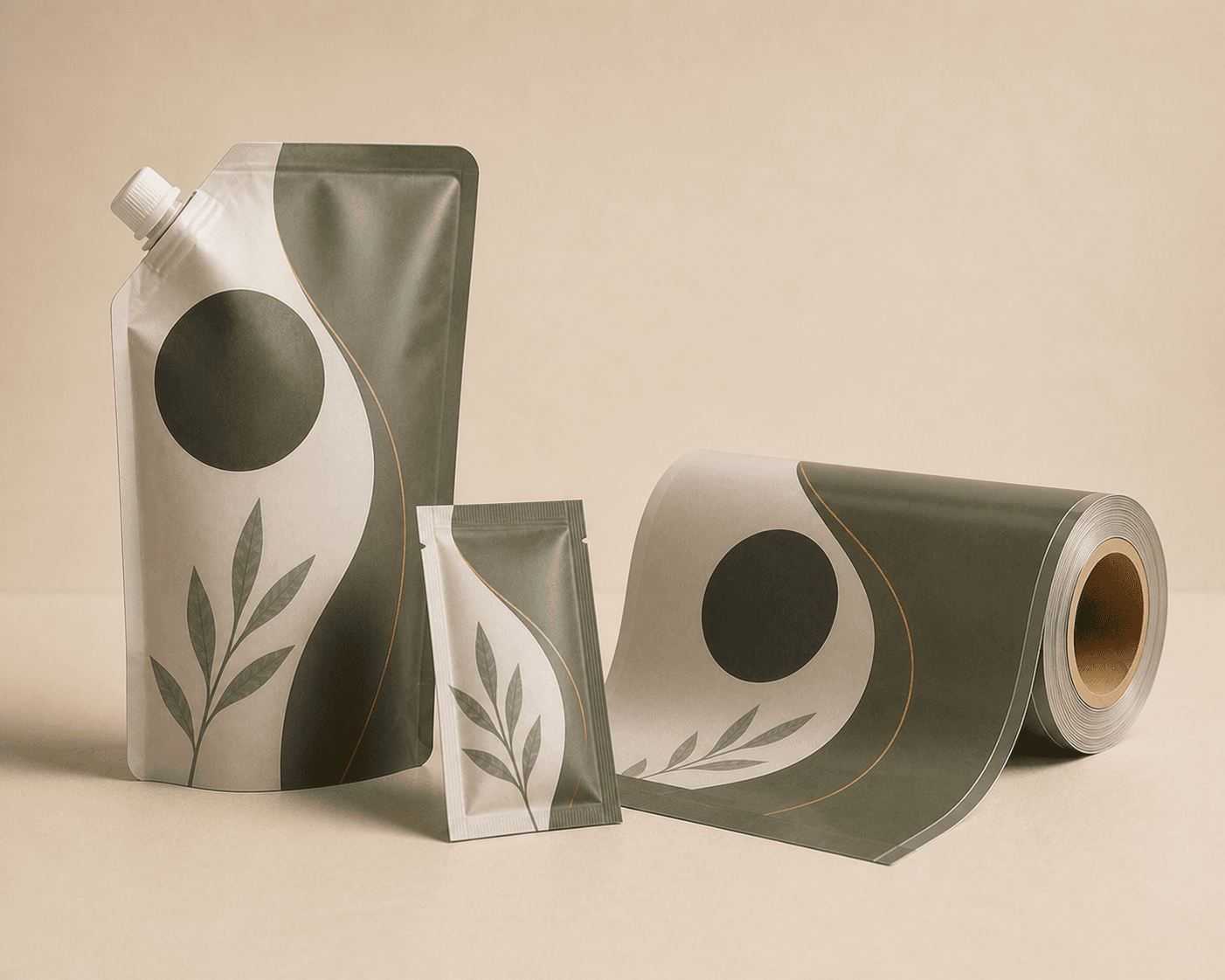 Mylar bag format
Flat Bottom Bags
Compare flat-bottom bags with stand-up pouches and coffee bags before the filled shape and optional features are finalized.Review format and quote inputs →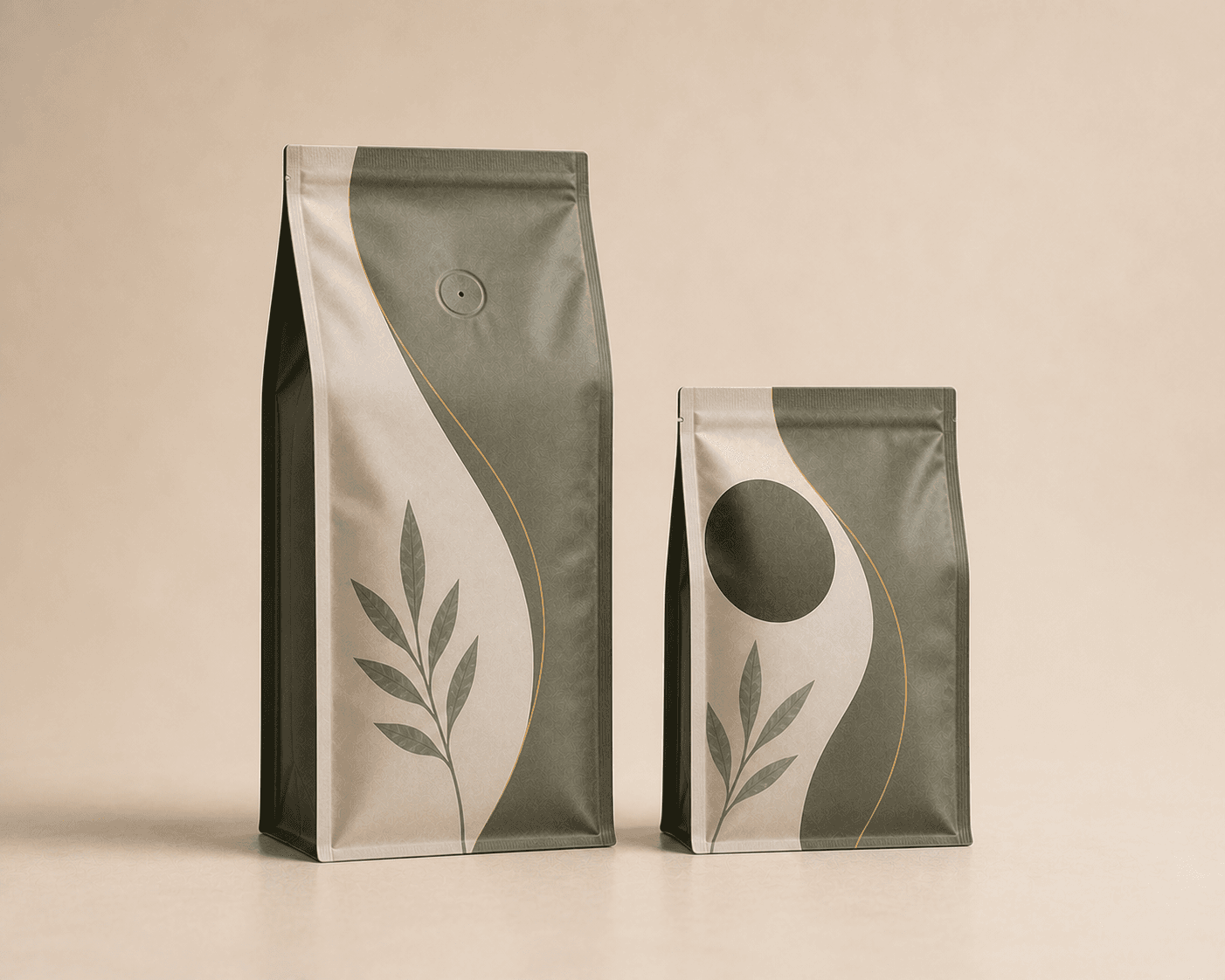 Mylar bag format
Three-Side Seal Bags
Share the target fill and opening requirements before artwork is prepared on a final bag template.Review format and quote inputs →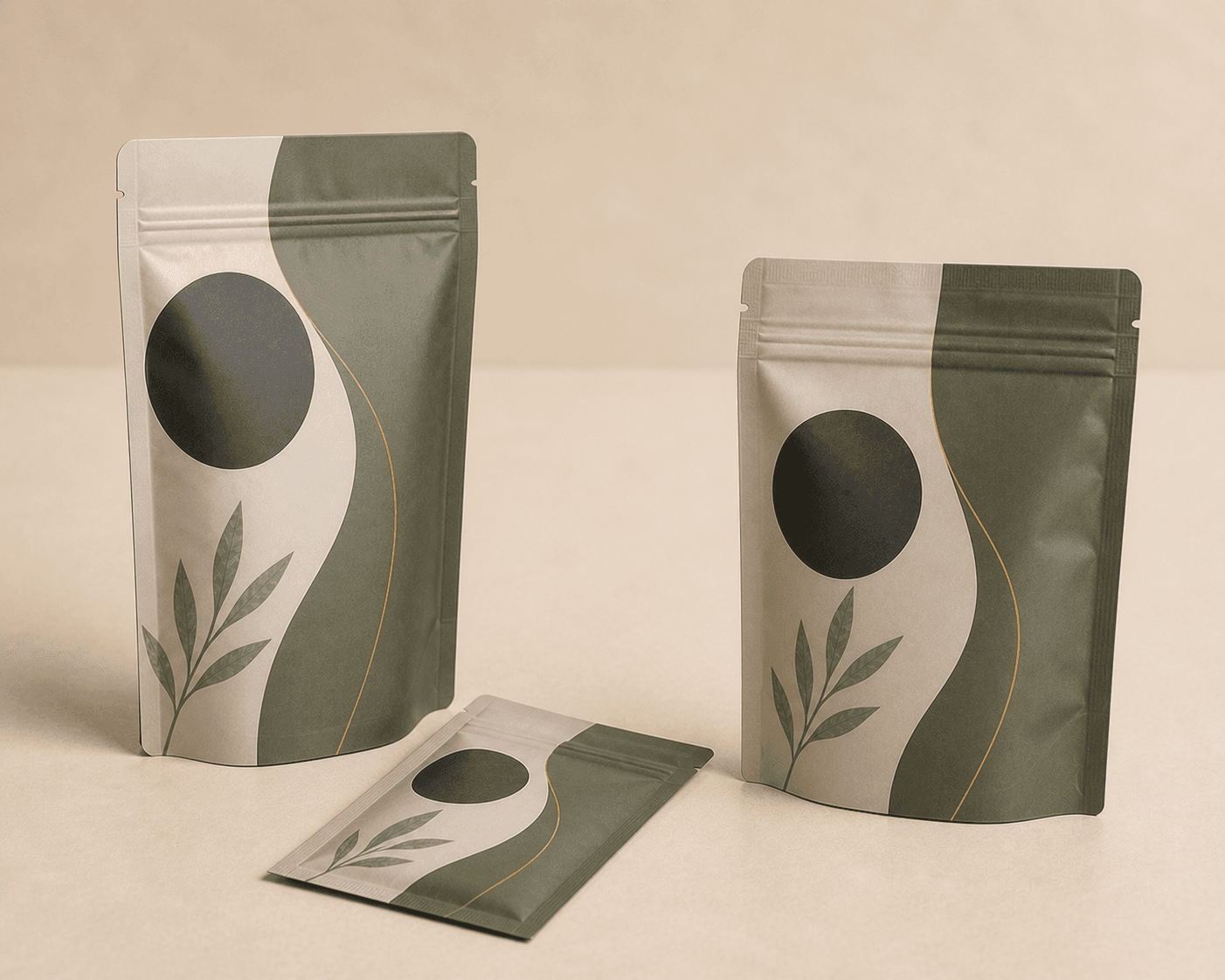 Mylar bag format
Printed Rollstock Film
Choose this path when the enquiry is for printed film on roll rather than a finished pouch. Rollstock cannot be specified from finished-pack dimensions alone, so share the filling and sealing equipment information available from the packing operation.Review format and quote inputs →Where pet food & treat packaging fit the brief.
Use these as planning scenarios, then confirm the exact structure and specification from the products and project requirements.
Printed pet treat pouches
Stand-up and flat-bottom pouch formats
Three-side seal projects
Printed rollstock requirements
Resolve the questions that change the specification.
These are the highest-value decisions to make before final artwork and project pricing.
Describe the contents and target fill
Share what will be packed, the target fill, storage expectations, and intended market before a film structure or format is approved.
Choose the format from the packing plan
Compare the current pouch and rollstock formats using the intended filling, sealing, opening, closure, and display requirements.
Confirm compatibility requirements
Required compatibility, barrier, storage, testing, and market documentation must come from the project brief rather than from a general product category.
What to send for the first useful review.
You do not need a perfect specification. Send the facts and files already available, and keep unknown items clearly marked for review.
- 1Product contents, target fill, and intended market
- 2Preferred pouch or rollstock format
- 3Filling, sealing, storage, and closure requirements
- 4Quantity, dimensions, and delivery destination
- 5Artwork, print, and finish direction
- 6Required compatibility, barrier, testing, or market documentation
Plan pet food & treat packaging with clear boundaries.
These answers explain the product range, planning MOQ, quote model, and information needed before production.
Explore nearby buyer intents in the same product range.
Each linked guide maps back to a real UPG product family and a human-reviewed enquiry.
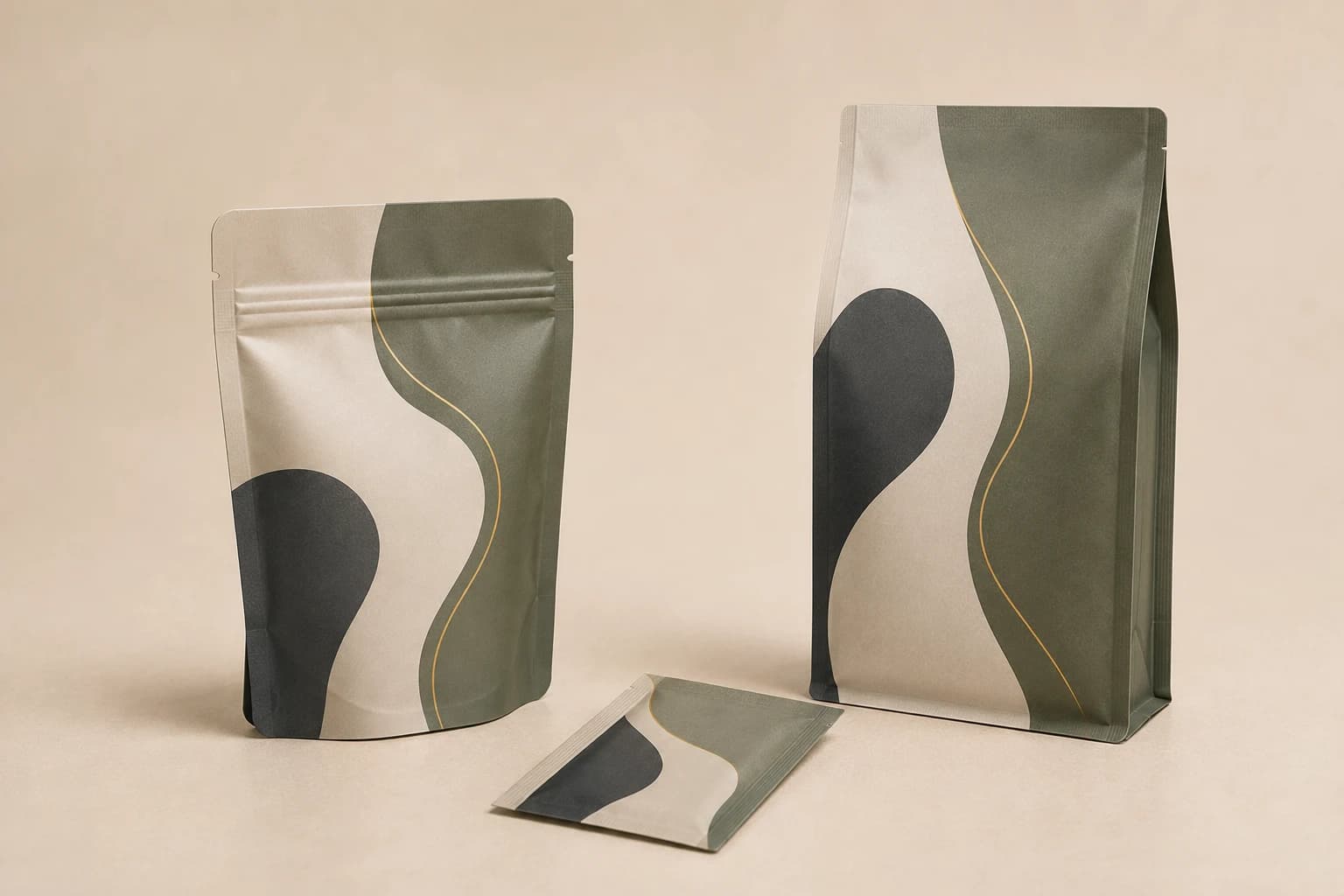 Application guide
Food Pouches
Custom printed food pouches across stand-up, flat-bottom, three-side seal, spout and rollstock formats, with a 250-unit MOQ and compatibility review.Read this guide →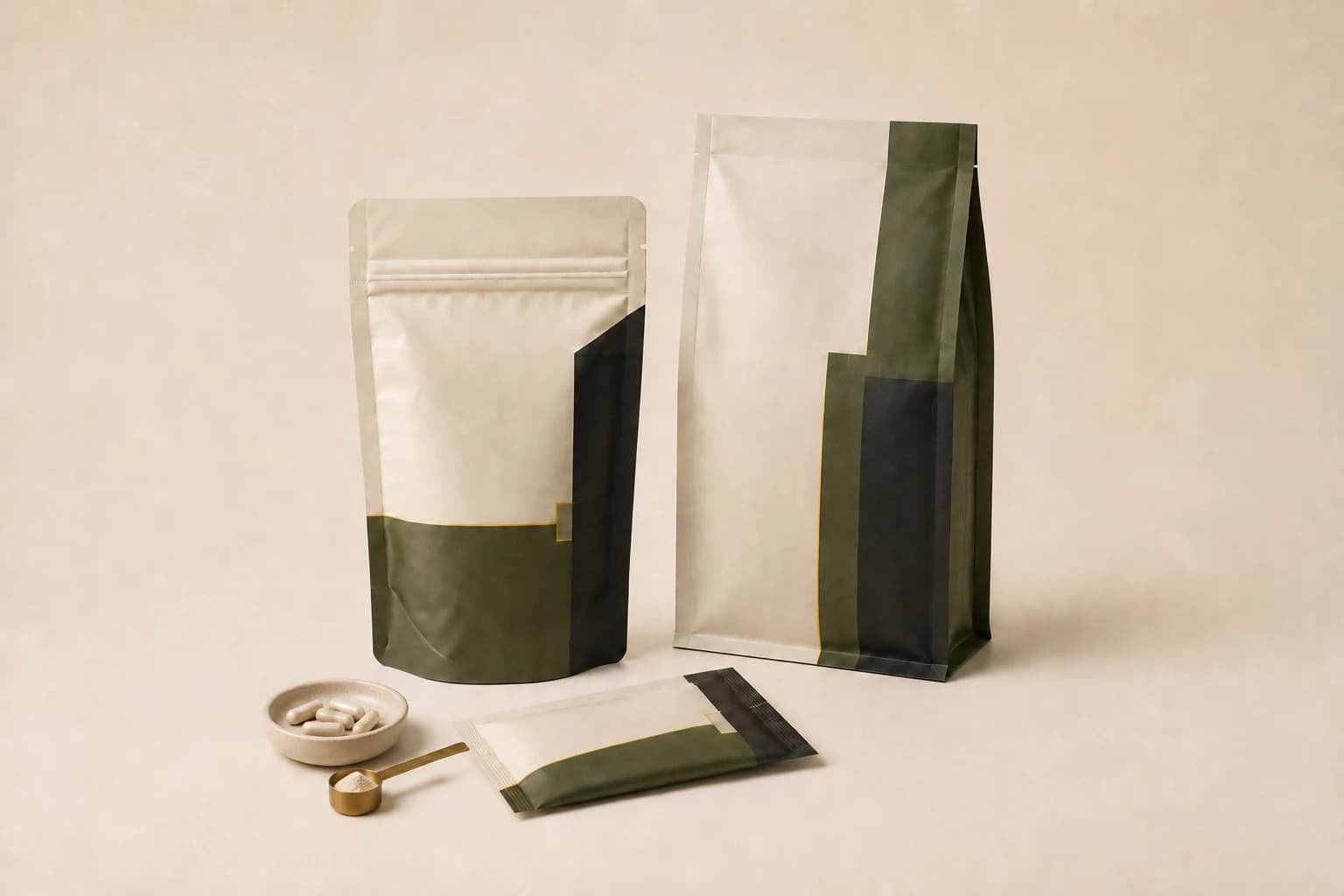 Application guide
Supplement Pouches
Custom printed supplement pouches with a 250-unit UPG planning MOQ, stand-up, flat-bottom, three-side seal and rollstock options, and compatibility review.Read this guide →Application guideBeverage Pouches
Custom printed beverage and spout pouches with a 250-unit UPG planning MOQ, project-specific film, spout, print, finish, and compatibility review.Read this guide →Start a custom packaging project for pet food & treat packaging.
Send the known product, dimensions, quantity, artwork, intended use, and destination. UPG will review the correct structure and prepare project-specific pricing.