Custom Packaging Finishes: A Buyer Decision Guide
Compare matte, gloss, soft-touch, foil, spot UV, embossing, debossing, and windows by visual role instead of stacking every finish on one package.
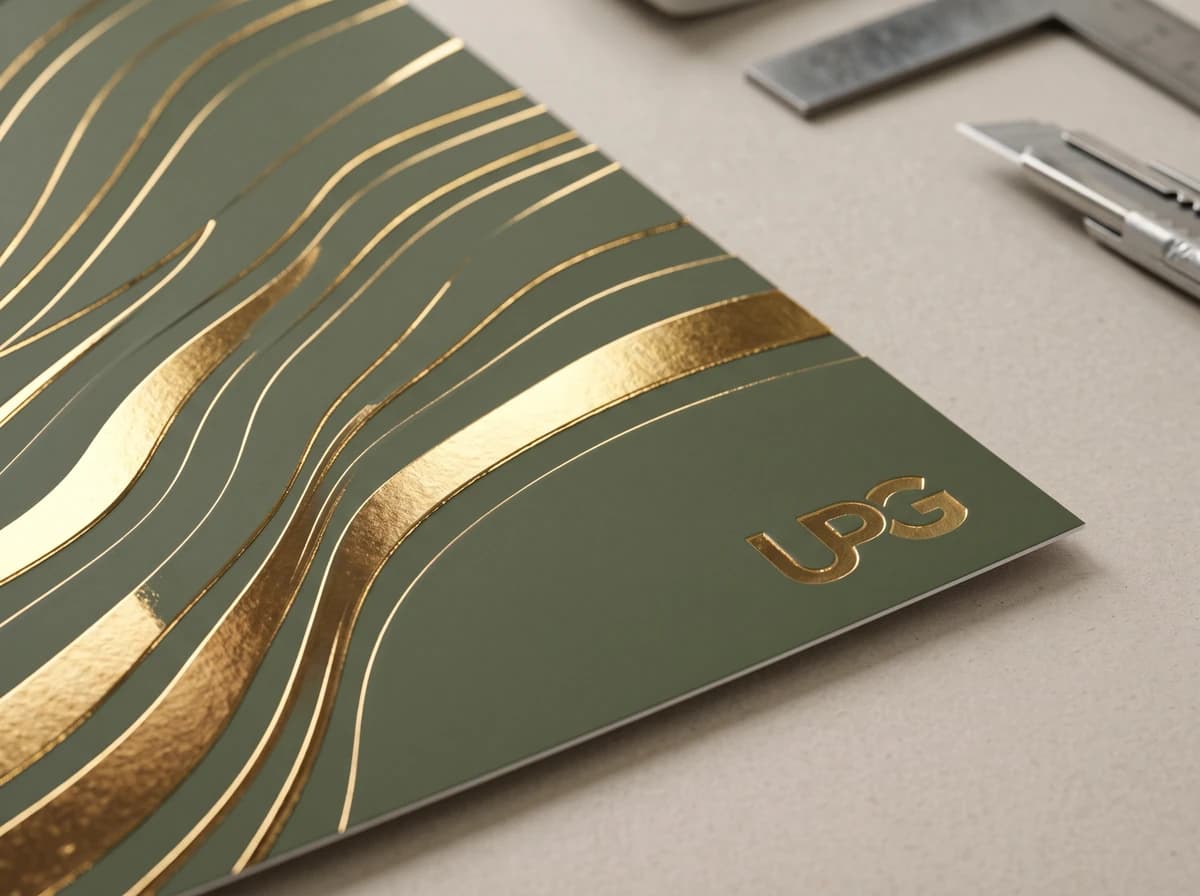
Choose packaging finishes by job: matte, gloss, or soft-touch shapes the broader surface; foil and spot UV create selective contrast; embossing or debossing adds tactile relief; and a window reveals the product where the structure supports it. Final availability and suitability depend on material, print, structure, artwork, and production review.
Matte, gloss, or soft-touch
Start with the overall surface character before adding selective decorative details.
Foil or spot UV
Use selective accents to establish hierarchy around logos, borders, patterns, or key artwork.
Emboss or deboss
Raised or recessed relief can add touch, but the design and structure need production review.
Start with the purpose of the finish
- What it is
- A lower-sheen surface treatment
- Where it helps
- A calm overall surface and restrained print treatment
- What it is
- A higher-sheen surface treatment
- Where it helps
- More reflection and a sharper visual contrast
- What it is
- A tactile matte surface treatment
- Where it helps
- Presentation-led packs where the hand feel matters
- What it is
- Metallic foil transferred to selected artwork
- Where it helps
- Logos, borders, and controlled premium accents
- What it is
- Gloss coating applied only to selected artwork
- Where it helps
- Contrast over a matte or lower-sheen printed surface
- What it is
- Raised or recessed detail made with a die
- Where it helps
- Tactile logo marks and simple decorative forms
- What it is
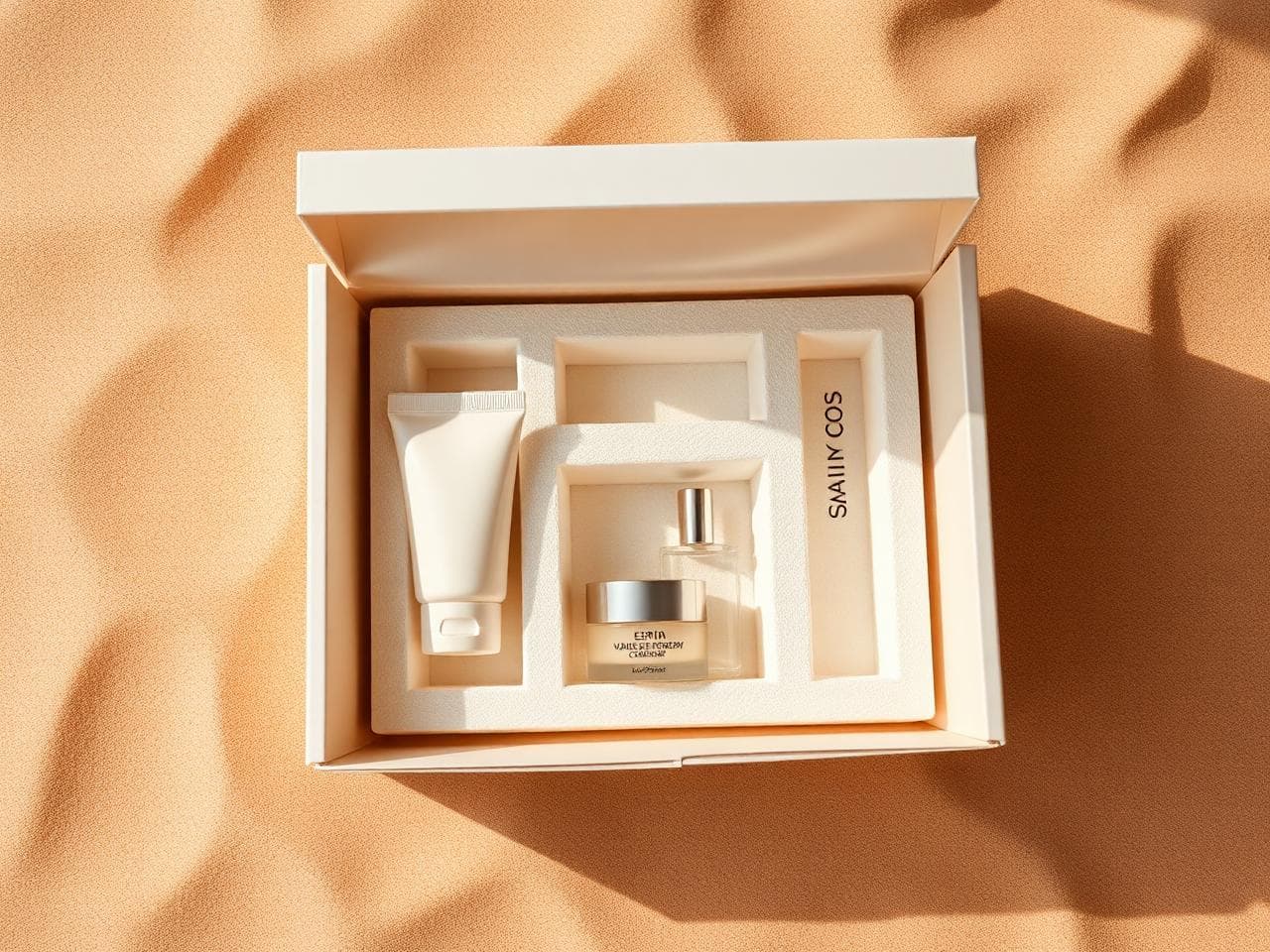
- A die-cut opening that reveals the product
- Where it helps
- Product visibility where the selected structure supports it
| Finish family | What it is | Where it helps |
|---|---|---|
| Matte | A lower-sheen surface treatment | A calm overall surface and restrained print treatment |
| Gloss | A higher-sheen surface treatment | More reflection and a sharper visual contrast |
| Soft-touch | A tactile matte surface treatment | Presentation-led packs where the hand feel matters |
| Foil stamping | Metallic foil transferred to selected artwork | Logos, borders, and controlled premium accents |
| Spot UV | Gloss coating applied only to selected artwork | Contrast over a matte or lower-sheen printed surface |
| Emboss or deboss | Raised or recessed detail made with a die | Tactile logo marks and simple decorative forms |
| Window | A die-cut opening that reveals the product | Product visibility where the selected structure supports it |
Coating and lamination are different
A coating is a liquid finish applied and cured on the printed surface. Lamination bonds a thin film to that surface. Matte, gloss, and soft-touch looks can use different coating or film systems; spot UV is a coating applied to selected areas. Confirm the treatment with the board, artwork, folds, and handling needs.
Build a hierarchy instead of a finish list
A finish plan should explain what the buyer notices first, second, and third. One controlled foil logo on a matte surface can create clearer hierarchy than several decorative processes competing across every panel.
Review the finish with the material
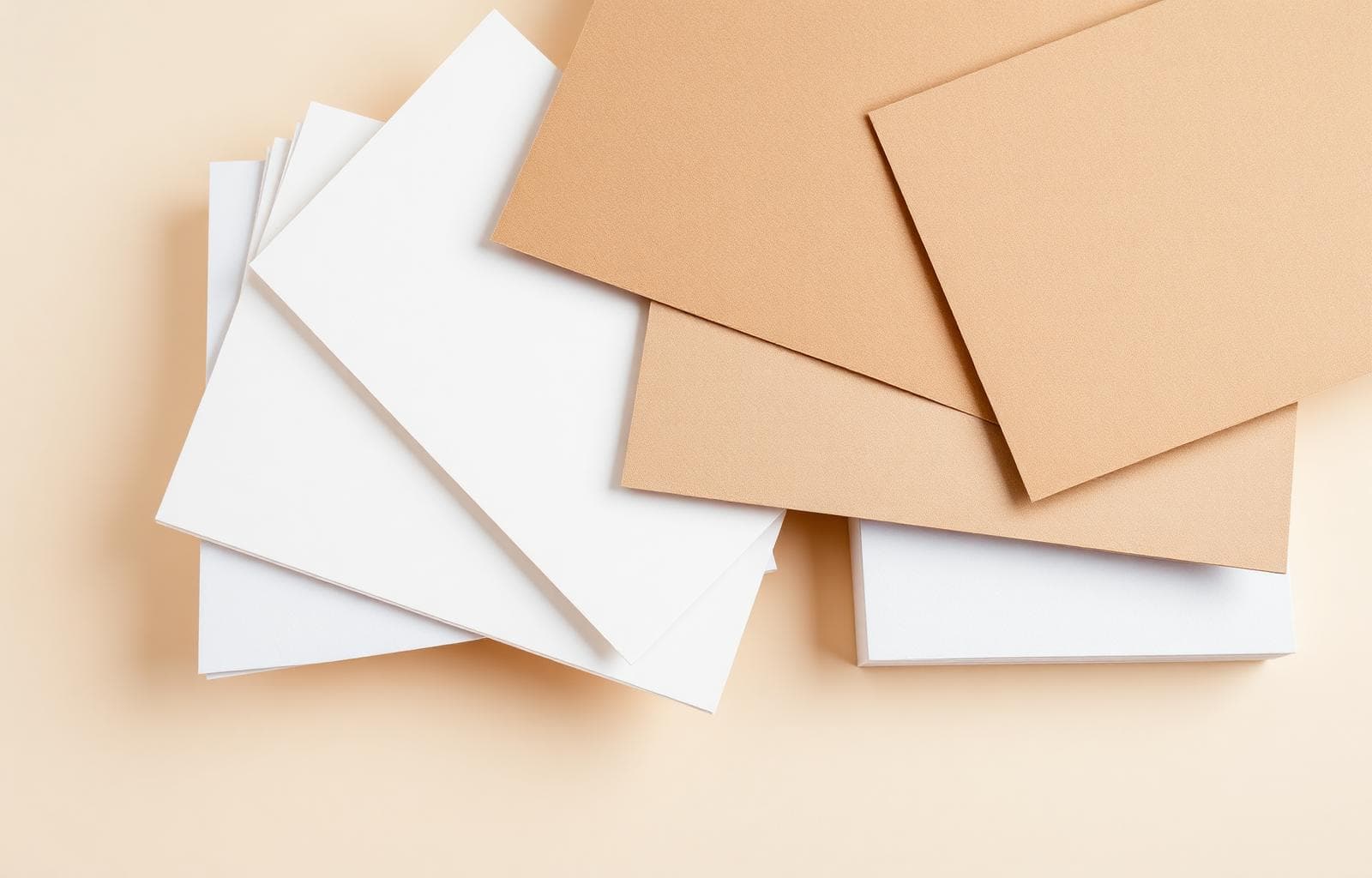
The same finish can look and behave differently across paperboard, kraft, wrapped rigid board, corrugated material, and flexible film. Material color, texture, surface treatment, print coverage, folds, edges, seals, and closures all affect the review.
Plan selective finishes in the artwork
- Separate foil, spot UV, emboss, deboss, and window callouts clearly.
- Use consistent names across artwork, proof, and quote documents.
- Keep important effects away from structural areas when the approved dieline requires it.
- Confirm which side or panel receives each treatment.
- Remove unused layers and old production callouts before final approval.
Ask for a focused comparison
If the finish direction is unclear, request one or two purposeful options. Compare how each supports the brand, material, budget, product position, and required production method. Avoid asking for every available finish when the actual decision is between two surface systems.
Bring your finish ideas to the brief
Share the colors, textures and finishing details you like, along with your packaging format and quantity. We can then compare the finish options that suit your product, artwork and budget.
Frequently asked questions
Can foil, spot UV, and embossing be combined?
A combination can be reviewed, but availability, artwork setup, registration, material, structure, cost, and production suitability must be confirmed for the specific project.
Is matte or gloss better for custom packaging?
Neither is universally better. Matte creates a lower-sheen surface, while gloss creates a higher-sheen surface. The better choice depends on the brand direction, material, artwork, handling, and approved specification.
Does every packaging format support a window?
No. Window availability and suitability depend on the selected structure, material, product presentation, artwork, and production review.