Packaging Proof vs. Sample: What Each One Confirms
Separate artwork review, finished sample-kit references, project-specific sampling, and final production approval before treating them as interchangeable.
An artwork proof helps review content, placement, and production intent; a finished sample kit helps a buyer examine representative packaging examples; and any project-specific physical sample must be confirmed in the written project scope. None should be assumed to approve every material, color, structure, or production variable by itself.
Artwork proof
Check content, placement, version, and the production callouts shown in the approved review file.
Finished sample kit
Examine representative structures, materials, and finishes without treating them as your custom project.
Project-specific decision
Confirm the sample or proof path, acceptance criteria, and production effect in the written scope.
The three things buyers often call a sample
- Main purpose
- Review copy, placement, panel orientation, and production callouts
- What it does not automatically confirm
- Final appearance on every material, screen, finish, or lighting condition
- Main purpose
- Examine representative finished packaging examples
- What it does not automatically confirm
- Your custom dimensions, artwork, product fit, or approved production specification
- Main purpose
- Review the agreed physical characteristics included in the written scope
- What it does not automatically confirm
- Every production variable unless those acceptance criteria are explicitly defined
| Review item | Main purpose | What it does not automatically confirm |
|---|---|---|
| Artwork or digital proof | Review copy, placement, panel orientation, and production callouts | Final appearance on every material, screen, finish, or lighting condition |
| Finished sample kit | Examine representative finished packaging examples | Your custom dimensions, artwork, product fit, or approved production specification |
| Project-specific physical sample | Review the agreed physical characteristics included in the written scope | Every production variable unless those acceptance criteria are explicitly defined |
What to inspect in an artwork proof
- Product name, spelling, ingredients, warnings, and market-required copy supplied by the buyer
- Barcode, QR code, batch, date, or variable-data placement when applicable
- Logo position, panel orientation, opening direction, and front-panel hierarchy
- Foil, spot UV, embossing, debossing, window, zipper, valve, or other callouts shown in the file
- Correct project, SKU, language, and version number
An on-screen file is affected by the display and viewing setup. Treat it as the review record described in the project process, not as a universal physical color standard.
A final check before you approve
When a launch is urgent, it is easy to approve the familiar front panel and miss a change elsewhere. Open the exact approval file and check every panel against the project brief.
- What you are confirming
- Correct product, SKU, language, dated file, and latest requested changes.
- What you are confirming
- Spelling, quantities, buyer-supplied required text, barcode or QR content, and variable-data areas.
- What you are confirming
- Approved dieline, opening direction, front/back placement, folds, and any insert relationship.
- What you are confirming
- Color references and the intended locations of foil, coating, embossing, or other specified effects.
- What you are confirming
- Which artwork, structure, color, or sample decision this approval covers, and what still needs review.
| Check | What you are confirming |
|---|---|
| File and version | Correct product, SKU, language, dated file, and latest requested changes. |
| Copy and codes | Spelling, quantities, buyer-supplied required text, barcode or QR content, and variable-data areas. |
| Structure and orientation | Approved dieline, opening direction, front/back placement, folds, and any insert relationship. |
| Print and finishes | Color references and the intended locations of foil, coating, embossing, or other specified effects. |
| Approval scope | Which artwork, structure, color, or sample decision this approval covers, and what still needs review. |
Record the approved version and any remaining questions explicitly. If a detail is uncertain, identify it before approving the next production step.
What a finished sample kit is useful for
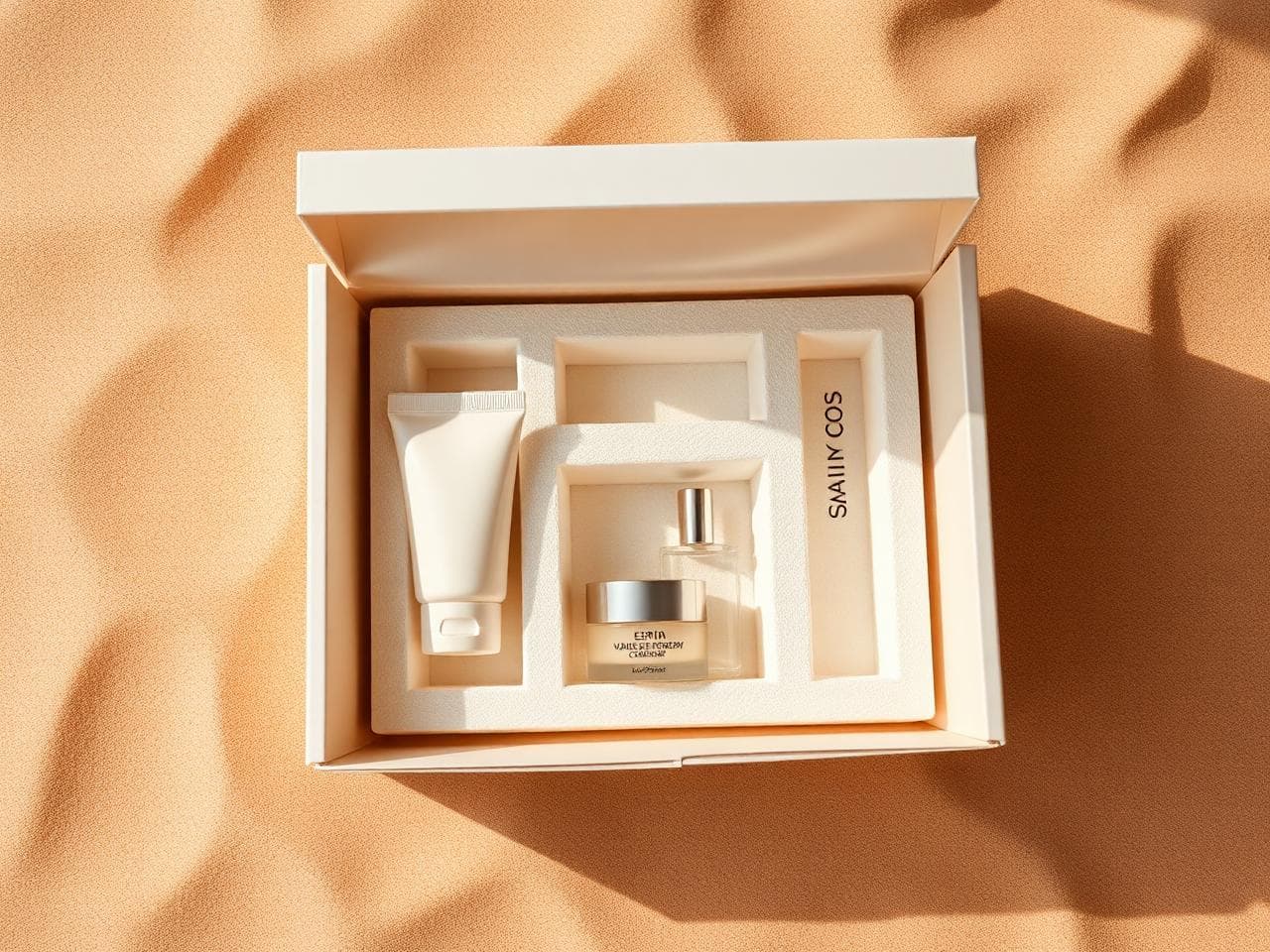
A finished kit can help buyers handle representative packaging, compare broad structures, and discuss material or finish direction. UPG's Box Sample Kit and Mylar Bag Sample Kit are separate fixed-price products. Their assortment is curated and can vary; neither kit is a custom proof of the buyer's project.
Questions to ask before approving a physical sample
- Which structure, material, print, finish, and dimensions does this sample represent?
- Is the artwork final or only for structural review?
- Which visual or functional characteristics are being approved?
- What can still change in production?
- Does approval affect the production schedule or commercial terms?
Keep approval language precise
Use clear wording such as artwork content approved, structure approved, or sample approved against the stated criteria. Avoid a vague message such as looks good when the project has several versions or separate structural, color, finish, and copy decisions.
Frequently asked questions
Is the UPG sample kit a custom proof of my packaging?
No. Each paid sample kit contains a curated assortment of representative finished packaging. It helps with reference and planning but does not approve a buyer's custom structure, dimensions, artwork, or production specification.
Does an artwork proof confirm exact printed color?
An artwork proof should be reviewed within the proof method and acceptance criteria defined for the project. Screen display, substrate, ink, print process, coating, finish, and viewing conditions can affect appearance.
Can a project-specific physical sample be requested?
Sampling options, cost, timing, purpose, and production effect must be reviewed and confirmed for the specific project. Availability is not assumed from this guide.
Plan your packaging project
Compare available sample kits
Review the separate Box Sample Kit and Mylar Bag Sample Kit before purchase.
Explore details →Prepare packaging artwork
Use the approved project structure before locking the final artwork file.
Explore details →Confirm the proof or sample path
Request project-specific review of the applicable proof or sample decision before the next approval.
Explore details →