Custom Packaging Production Process, Step by Step
Understand the path from project brief and structural review through artwork, proof approval, about 7 business days of standard production, and delivery.
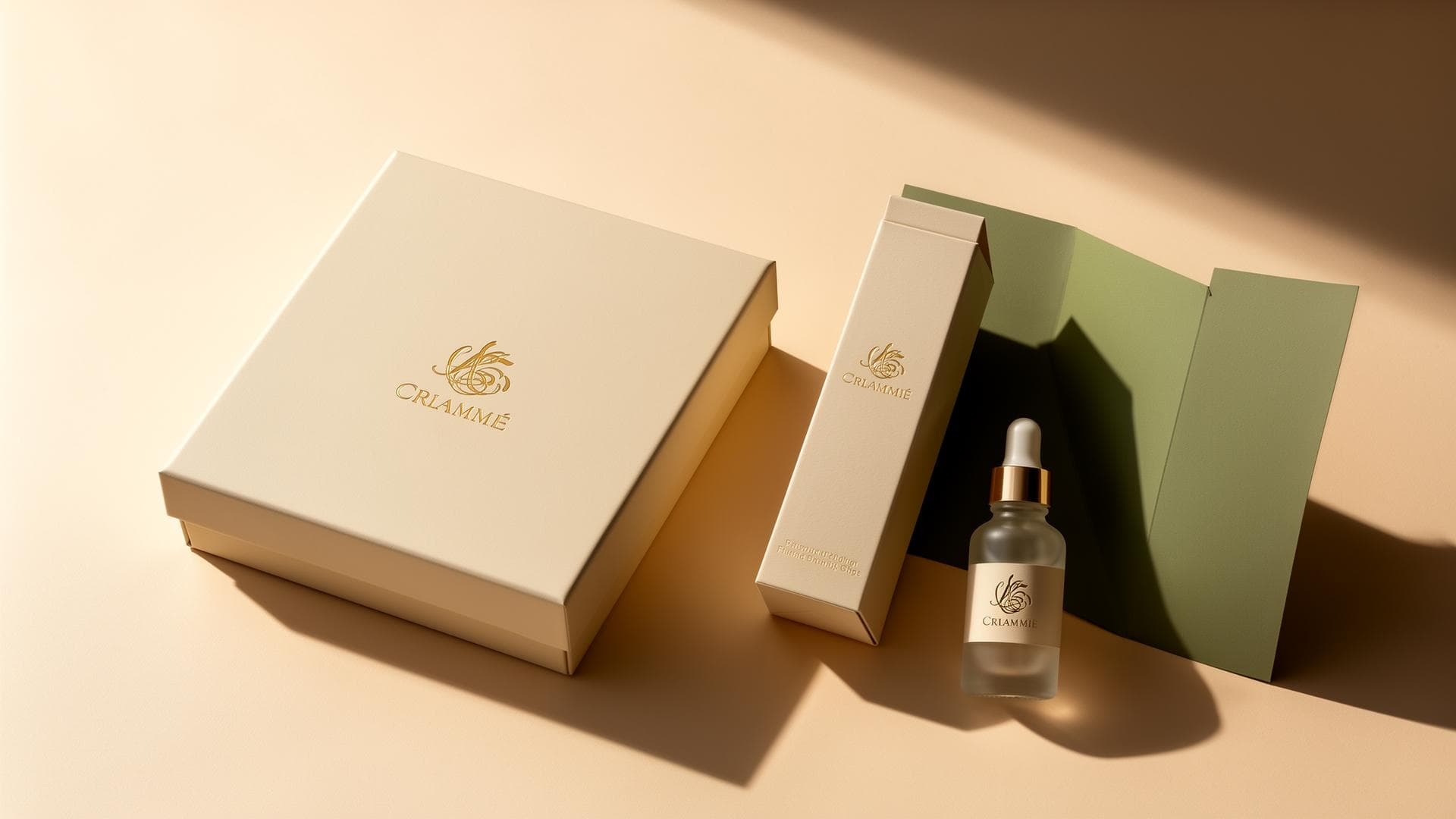
A made-to-spec packaging project moves from brief and qualification into structure, materials, artwork, proofing, commercial approval, manufacturing, quality review, packing, and delivery. The exact sequence can vary by format, and standard production takes approximately 7 business days after final design approval; your quote confirms the schedule.
Define the project
Product, format, dimensions, quantity, intended use, destination, and artwork status create the brief.
Approve the specification
Structure, material, print, finish, artwork, proofing, price, and scope are aligned before production.
Manufacture and deliver
Production, quality review, packing, and delivery follow the approved project terms.
1. Project brief and qualification
The buyer shares the product, closest packaging family, dimensions, quantity, intended use, destination, timing, and artwork status. UPG checks whether the project fits the current product range and identifies missing decisions.
2. Structure and specification review
The proposed structure is reviewed around the product and the way it will be packed, presented, stored, or delivered. Materials, print surfaces, finishes, closures, inserts, and compatibility requirements are considered where applicable.
3. Quote and commercial scope
The written quote records the project-specific commercial terms. It can include the confirmed quantity, specification, price, payment terms, production timing, delivery scope, freight, duties, taxes, and documentation responsibilities that apply.
4. Dieline and artwork development
Final artwork belongs on the approved project dieline. Panel orientation, print areas, structural lines, finishes, required copy, and any variable information should be checked against the reviewed structure rather than a generic template.
Avoid late artwork changes
A practical lesson from our founder's six years of packaging experience: even a small copy change needs a clear handover when a project is close to production. A revised label, panel, size, or finish can require another artwork or proof review and affect the production plan.
- One approval owner: Name one person to collect the final changes and approve the file.
- One current version: Send one clearly dated replacement file with a short list of what changed.
- Review the impact: Ask which approvals and timing assumptions need to be checked again.
- Approve the revised proof: Review it against the change list before approving that version.
If the delivery date is fixed, share it with the destination and artwork status at the start. Ask for feasibility to be reviewed whenever the specification or approval date changes.
5. Proofing and required approvals
The applicable proof or sample path is confirmed for the project. Buyers should check spelling, product copy, placement, color intent, finish callouts, codes, and version control. Approval should be treated as a production decision, not a casual design preview.
6. Manufacturing and quality review
Production follows the approved specification and commercial terms. The applicable manufacturing and quality checks depend on the format, material, print, finish, and project requirements.
7. Packing and delivery
The packaging may be supplied flat, folded, collapsed, nested, or assembled depending on its structure and the written project scope. Final packing, freight, delivery destination, and related responsibilities should be confirmed rather than inferred from a product image.
Keep one approval record
- Record to retain
- Approved structure or project dieline version
- Record to retain
- Final approved artwork and version
- Record to retain
- Accepted quote or agreement
- Record to retain
- Applicable signed or recorded approval
- Record to retain
- Confirmed destination and delivery scope
| Decision | Record to retain |
|---|---|
| Structure | Approved structure or project dieline version |
| Artwork | Final approved artwork and version |
| Commercial terms | Accepted quote or agreement |
| Proofing | Applicable signed or recorded approval |
| Delivery | Confirmed destination and delivery scope |
Frequently asked questions
How long does custom packaging production take?
Standard production takes approximately 7 business days after you approve the final design file. Complex structures, specialty finishes and larger runs can take longer; your quote confirms the schedule. Shipping time is separate.
When should final artwork be prepared?
Prepare final artwork on the approved project dieline after the structure is sufficiently defined. Rebuilding artwork too early can create avoidable rework if the structure changes.
Does production start when I submit a quote request?
No. A quote request begins human review. Manufacturing starts only after the applicable commercial, artwork, proofing, and production approvals are complete.
Plan your packaging project
Quote checklist
Organize the first project inputs before requesting a human review.
Explore details →Proof and sample guide
Separate a reference sample kit, artwork proof, and project approval decision.
Explore details →Review a fixed target date
Share the project facts already known so UPG can review feasibility and timing for the requested date.
Explore details →